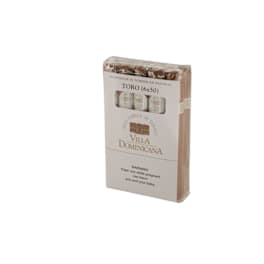
Villa Dominicana — Villa Dominicana
$2-$5Strength: —Body: Medium
CedarTobacco
Its Cedar and Tobacco profile makes it a natural fit for what you're after.
Tequila pairing works one way and one way only: match the cigar to the age of the tequila. A blanco wants a Connecticut Shade. A reposado wants a medium-bodied cigar with some oak character. An añejo wants full-bodied depth with cocoa and caramel notes to echo the barrel. Do it in reverse and you flatten both.
Skip the reading. Tell Paired what tequila you’re pouring and get three matched picks.
Ask Paired →

Tequila's flavor spans a wider range than most spirits, but the pairing math is simple. Blanco is grassy, peppery, citrus-forward, and full of raw agave — you want a cigar that lets the tequila drive. Reposado (aged 2 to 11 months in oak) picks up vanilla, honey, and light caramel — the sweet spot for medium-bodied cigars with cedar and toast notes. Añejo (1 to 3 years in oak) and extra añejo (3+ years) start reading like cognac — caramel, dried fruit, dark oak, and enough weight to match a full-bodied maduro. The bourbon pairing rules transfer almost entirely to añejo tequila.
Two more rules. First, sip neat — margaritas and Palomas cut through cigars like a knife. Second, when in doubt, go milder than you think. It's much easier to add complexity by working up than to salvage a delicate tequila you've already flattened with a big Nicaraguan.
Blanco tequila is unaged — bright, grassy, peppery, sometimes citrusy or floral. It's the tequila equivalent of a good silver rum or an unaged gin. The cigar's job here is to not compete. You want mild Connecticut Shade wrappers, cream and cedar notes, nothing that will steamroll the agave. A cigar that's too full will make the tequila taste thin and burn hot on the finish.
The workhorse mild Connecticut. Cream, cedar, a touch of nutty sweetness on the finish. Doesn't try to compete with anything and never dominates a delicate spirit. Ashton's blending is deliberately restrained — which is exactly what you want next to a good blanco.
Why it works: the Ashton Classic's Connecticut Shade wrapper contributes cream and cedar without weight. Blanco tequila's grassy character stays intact and its finish keeps its pepper edge.
Barely-there smoke — almost meditative. Macanudo's Ecuadorian Shade is one of the mildest premium cigars made, which sounds like a criticism until you're pairing it with something as delicate as blanco. The tequila leads, the cigar plays support.
Why it works: lower nicotine impact than Ashton Classic, more of a "background" smoke. Ideal for a slow blanco tasting where you want the tequila to be the focus.
Reposado is where tequila starts drinking like a spirit and less like a fermented plant. The oak contact — usually 2 to 11 months — adds vanilla, light caramel, and a smoothed-out finish. This is the widest pairing lane in the tequila world. You can go slightly bigger on the cigar because the oak in the reposado creates a bridge to the wood notes in the cigar wrapper.
A step up in complexity from the entry-mild category without stepping up in strength. Oliva Connecticut Reserve carries more vanilla and butter than Ashton Classic, which means it echoes the same notes reposado picks up from its oak barrels. Same body, more layers.
Why it works: the cigar's vanilla profile mirrors the barrel character of reposado. Neither dominates.
Perdomo's Sun Grown — called "Champagne" in retail for the wrapper color — is medium-bodied with toasted cedar, light nutmeg, and a touch of sweetness on the back end. It's a step into medium territory without going full-bodied, which lines up perfectly with reposado's own middle-ground flavor position.
Why it works: Perdomo's Sun Grown Champagne has enough weight to match reposado's added body, but light spice keeps the tequila's agave core audible. This is the pick if you want the cigar and the tequila in genuine conversation.
Añejo and extra añejo are what serious tequila drinkers reach for. One to three years in oak transforms the spirit — you get caramel, dark oak, dried fruit, and enough weight that it drinks closer to cognac than to blanco. The pairing pivots hard: you want full-bodied cigars with cocoa, coffee, and dark caramel notes. This is also where the classic "aged spirit + full-bodied maduro" pairing rule from the bourbon world applies almost verbatim.
The workhorse full-bodied pairing cigar. Cocoa, espresso, leather, and a rich sweetness on the finish that reads like caramelized brown sugar. The 1964 Maduro is box-pressed Nicaraguan — not Connecticut Broadleaf — and its dark cocoa profile is exactly what añejo tequila's caramel notes want to sit next to.
Why it works: the cocoa-caramel echo. Both the cigar and the añejo are showcasing barrel-derived sweetness with dark flavors underneath. They're speaking the same language.
The name isn't a coincidence. Fuente's Añejo uses a Connecticut Broadleaf wrapper that's been aged in Cognac barrels before rolling — the only mass-produced premium cigar that does this. What you get is a full-bodied smoke with caramelized oak, dried plum, and a smooth sweetness that reads like brown-butter caramel. Pair it with a good añejo and you're stacking barrel character on barrel character, which sounds like it should be too much but instead becomes the most obvious pairing in the cigar world.
Why it works: both spirits and cigar have literal barrel-aged character. This is the headline añejo pairing — the one every tobacconist will name-check if you ask.
The Vintage 1990 uses a Broadleaf wrapper aged for 12+ years before rolling. That extended aging is what gives it its signature: mellowed cocoa, espresso, oak, and a smooth finish that doesn't punish you the way a young full-bodied cigar can. If your extra añejo has time on it (3+ years in oak), match it with a wrapper that has time on it too.
Why it works: aged-tobacco character maps directly onto aged-agave character. Both the Vintage 1990 and an extra añejo showcase what patience does to raw materials — oak, mellowness, sweetness, and depth.
Three pairings that don't work as well as they sound:
Mezcal isn't tequila — it's the smoked cousin. If you're pairing mezcal, treat it like a peated single malt Scotch: match the smoke on smoke. Full-bodied maduros (the 1964 or the Vintage 1990 above) work well. What doesn't work with mezcal: anything mild. The mezcal will steamroll a Connecticut Shade and leave nothing behind.
Buy a reposado — a good one runs $30-45 — and pair it with the Perdomo Reserve 10th Anniversary Sun Grown (Champagne). Reposado is the most forgiving tequila age for a pairing beginner, and Perdomo's Champagne is the most forgiving medium-bodied cigar. If it clicks, work outward — add a blanco with an Ashton Classic for daytime, or an añejo with a Padrón 1964 Maduro for evening. Three tequilas + three cigars covers you for any occasion.
Arturo Fuente Añejo. Its wrapper is aged in Cognac barrels before rolling, which gives it a caramelized-oak sweetness that mirrors the same barrel character in añejo. It's one of those pairings where the names give the game away.
You can, but you'll drown the tequila. Blanco is delicate — bright, herbaceous, citrus-forward. A full-bodied Nicaraguan will steamroll it. Stick to mild Connecticut Shade wrappers for blanco.
Mezcal reads closer to a peated Scotch than tequila. If you're smoking with mezcal, treat it like Islay whisky: full-bodied maduros work, and the smoke-on-smoke interplay can be spectacular. Padrón 1964 Anniversary Maduro is a safe bet.
For pairing purposes, yes. Margaritas and Palomas fight cigars — the citrus and salt cut through everything. If you want to drink a Paloma with a cigar, pick a mild Connecticut and don't expect the flavors to interact meaningfully.
Ashton Classic with a good reposado. The cigar is mild enough not to overpower a beginner palate, and reposado is the most cigar-friendly of the three tequila age classes — enough oak to bridge, not so much that it competes.
Weekly picks and the best affiliate deals from Famous Smoke Shop — hand-picked, not spammed. Unsubscribe with one click. We never sell your email.
Weekly picks and the best affiliate deals from Famous Smoke Shop — hand-picked, not spammed. Unsubscribe with one click.